
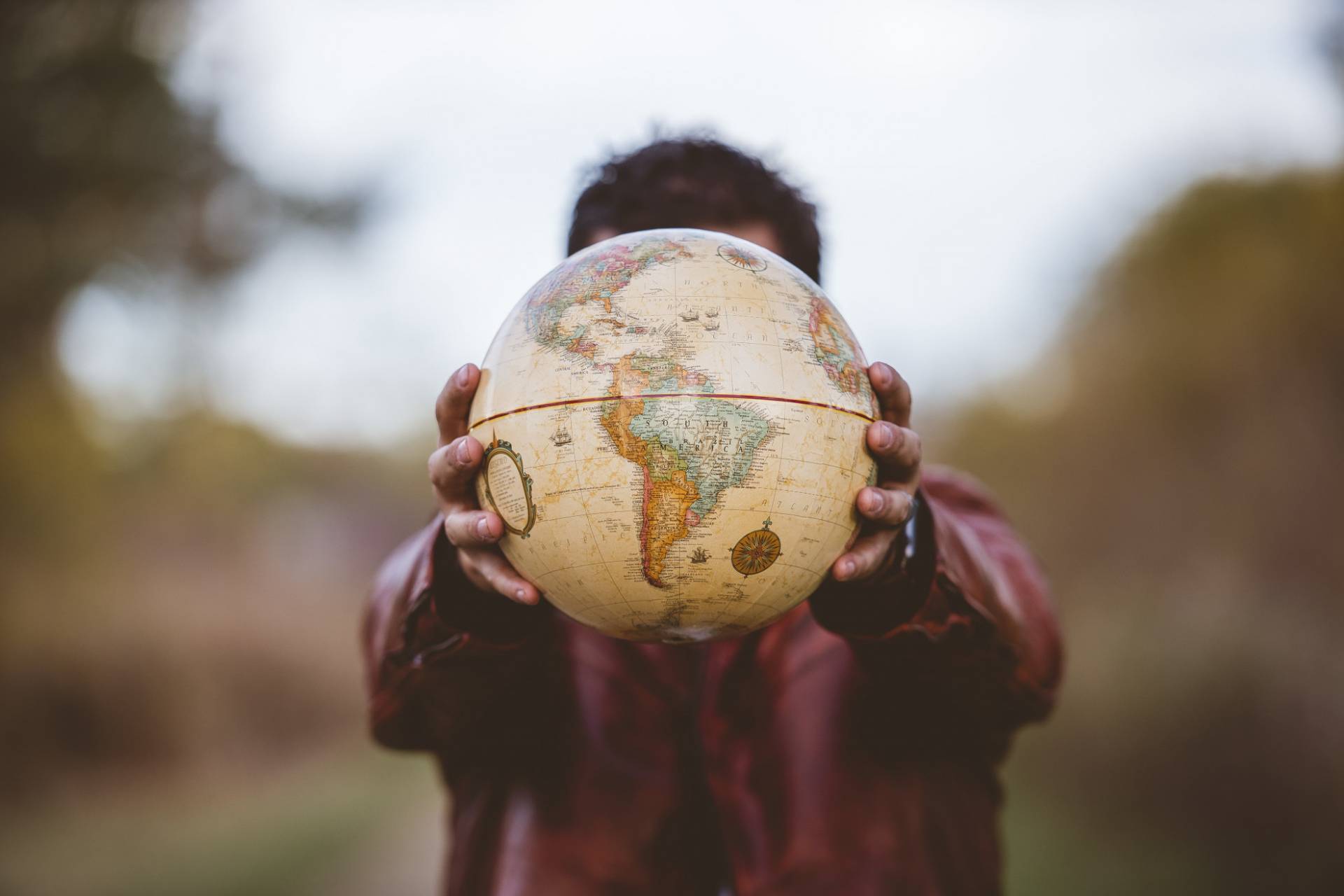
In a divided world, this idea may sound simple. But “One World. One Family.” is not a slogan. It is a responsibility.
At International Humanistic Aid (IHA), we believe humanity is stronger than borders. Every crisis reminds us of this truth. A flood in one country shakes the global economy. A war in one region displaces families across continents. A pandemic in one city can stop the entire world. We are already connected. The question is whether we are willing to care for one another as family.
Family means responsibility. It means we do not turn away when someone suffers. It means we respond, not because it is politically convenient, but because it is morally right. Today, millions of people are affected by conflict, climate disasters, hunger, and extreme poverty. Behind every statistic is a human being — a mother protecting her child, a father searching for work, a young person hoping for education. When we say “One World. One Family.” we are choosing to see people, not numbers.
This idea is not new. Many cultures have long believed that the world is one human community. What is new is the urgency. Climate change, migration, inequality, and global instability demand cooperation, not isolation. No nation can solve these challenges alone. No organization can claim to be enough. We need partnership, solidarity, and shared responsibility.
At IHA, we work on the front lines of crisis — delivering emergency support, protecting dignity, and standing with the most vulnerable. But humanitarian action is not only about relief. It is about restoring hope.
It is about reminding people that they are not forgotten.“One World. One Family.” also calls for fairness. A family shares resource. A family supports its weakest members. A family plans for the future together. Global systems must reflect these values. Access to food, healthcare, education, and safety should not depend on where someone is born. Human dignity is not a privilege. It is a right.
This vision requires leadership — from governments, from civil society, from businesses, and from individuals. But it also requires personal commitment. Compassion must move beyond words. It must shape policies, investments, and everyday choices. We cannot wait for perfect conditions. Change begins with small, consistent actions. Supporting local communities. Standing against injustice. Choosing cooperation over division. Teaching our children empathy. These are practical steps toward a more united world.
A family does not always agree. A family has differences. But a family does not abandon its own. In the same way, nations may differ in culture, language, and belief. Yet our shared humanity must remain stronger than our differences.
The future of our planet depends on this mindset. If we continue to think in narrow interests, we will deepen inequality and conflict. If we act as one global family, we can build resilience, peace, and sustainable progress.
“One World. One Family.” is a call to conscience. It challenges us to move from sympathy to solidarity, from charity to justice, from separation to connection. The world is already one. The question is whether we are ready to live like a family.


